Technology
Same-day crowns and denture repairs: why an in-house lab is rare here
Same-day crowns and same-day denture repairs get talked about as one capability. They are not. Here is the difference, and what having a full dental laboratory in the building actually changes.
By Dr. Ken Goodwin, DMD6 min read
The short answer
A chairside milling unit and a full in-house dental laboratory are different things that both get described as same-day. A milling unit designs and cuts crowns in the surgery, usually in one visit. A dental laboratory does that and also makes and repairs dentures, partials, relines and bridges, which a milling unit cannot. Park Place Dental has a laboratory in the building, so most crown, denture and partial work is made or mended on site rather than posted to an outside laboratory and waited on. For patients driving in from across North Mississippi, that difference is usually measured in trips rather than days.
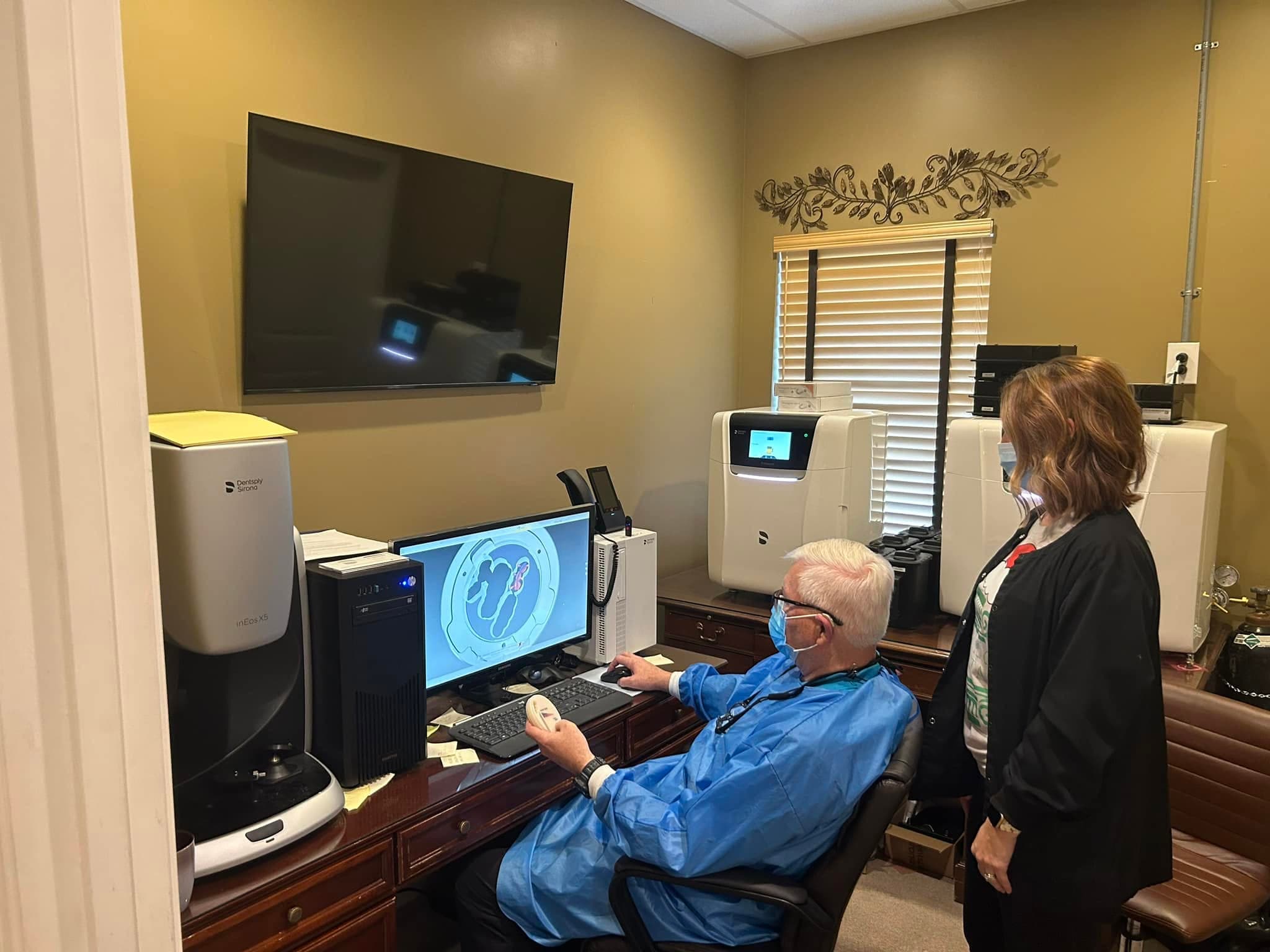
How most dental work is actually made
When a practice takes an impression or a scan for a crown, a denture or a partial, that record usually leaves the building. It goes to a commercial dental laboratory, often in another town or another state, where a technician makes the piece. Then it comes back.
That round trip is why the standard sequence for a crown is two appointments with a temporary in between, and why a broken denture commonly means going without for a week or more. None of it is anybody's fault: it is simply what happens when the person who fits the work and the person who makes it are in different places.
Milling unit or dental laboratory?
Both get advertised as same-day, which is where the confusion starts. This is what each can actually do.
| Chairside milling unit | Full in-house laboratory | |
|---|---|---|
| Crowns in one visit | Yes | Yes |
| Bridges | Some cases | Yes |
| Full and partial dentures | No | Yes |
| Denture repairs and relines | No | Yes |
| Adjusting a piece while you wait | Limited | Yes |
| Work leaves the building | No | No |
What it changes in practice
Fewer trips, which matters most if you are driving
The number of appointments a piece of work takes matters far more to somebody coming from Corinth or Fulton than to somebody who lives two streets away. Patients who travel are the ones who notice this first.
Adjustments happen the same day
A denture that rubs, a crown that feels high, a partial that does not seat quite right: these are ordinary and expected. When the laboratory is down the corridor, the adjustment is a conversation rather than another appointment in a fortnight.
Repairs without the wait
A broken denture posted to an outside laboratory commonly takes days. Bring the pieces here, call ahead, and it frequently does not.
One fewer set of fees in the total
An outside laboratory charges the practice, and that charge is part of what a patient ultimately pays. Work made in the building does not carry it. We are not going to pretend this makes treatment cheap, but it is a real line item that is simply not there.
What it does not change
Same-day is not the right answer for everything, and it would be misleading to suggest otherwise. Some materials need laboratory processes that take time. Some cases need a healing period between stages regardless of who is making the work: implants in particular are measured in months, because the bone has to fuse to the post before anything final goes on top.
Complex full-mouth work is planned in stages by design, not by logistics. Where waiting is clinically right, we will tell you it is right rather than rushing it because we can.
How to use this when you call
If you have a broken denture or a crown that has come off, say so when you telephone and bring every piece with you. If you are weighing us up against a practice closer to home, the useful question to ask both of us is not whether you do same-day crowns, but what happens to a denture repair and how many visits a crown actually takes.
Written and reviewed by Dr. Ken Goodwin, DMD, who has practised dentistry in Booneville since 1982. This article is general information, not a diagnosis or a treatment plan for your particular situation. For advice about your own teeth, call the practice on (662) 728-8171.