Saving teeth
Root Canal or Extraction? Questions Before You Decide
A painful tooth does not automatically need to be removed. Root canal treatment may preserve a tooth that can be restored, while extraction removes it. The useful question is whether keeping that particular tooth is a sound option, based on an examination and the care it would need afterward.
By Park Place Dental4 min read
The short answer
A painful tooth does not automatically need to be removed. Root canal treatment may preserve a tooth that can be restored, while extraction removes it. The useful question is whether keeping that particular tooth is a sound option, based on an examination and the care it would need afterward.
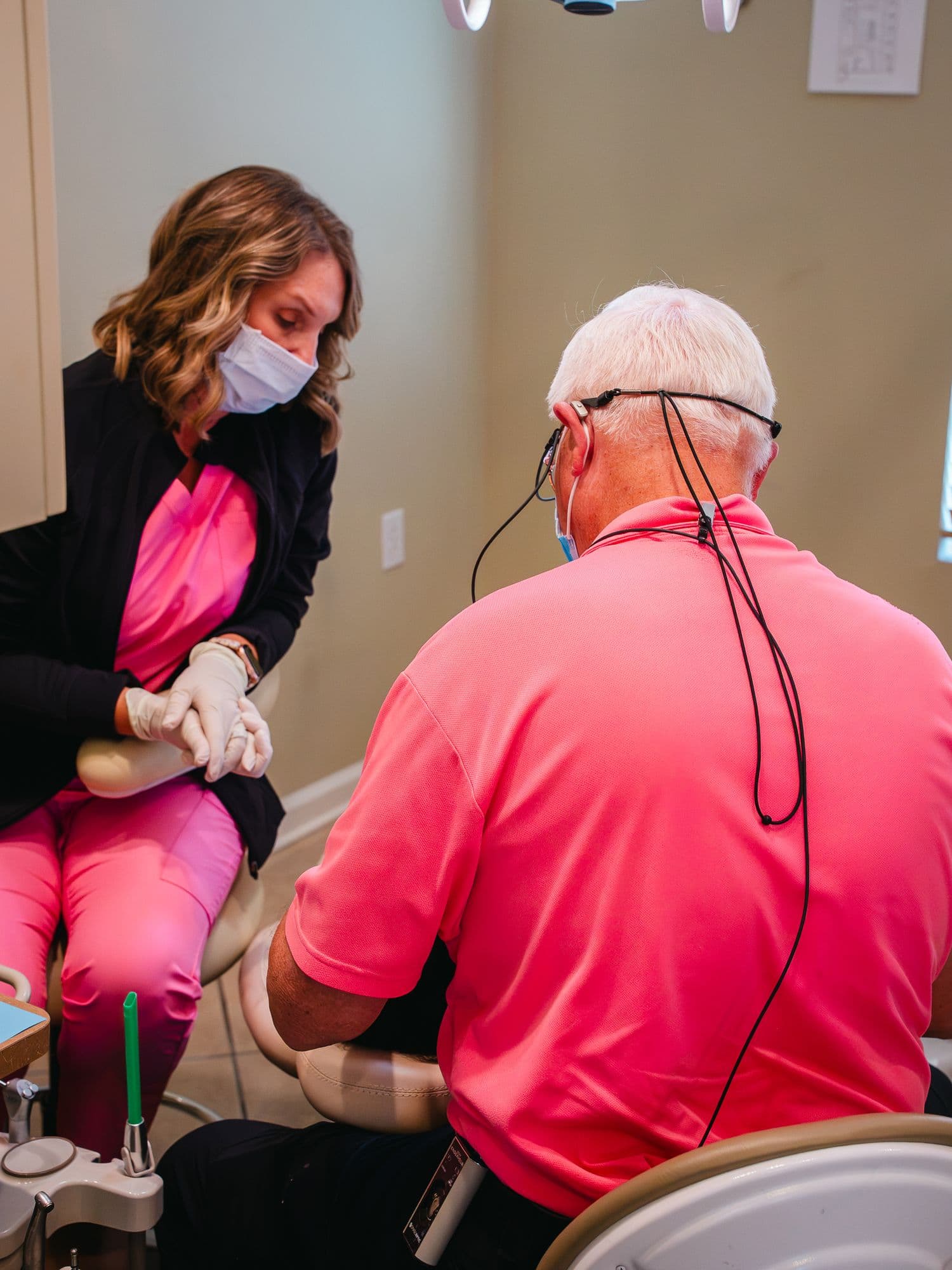
Ask whether the tooth can be restored
Root canal treatment addresses infected or inflamed tissue inside a tooth. Extraction removes the tooth instead. The American Association of Endodontists encourages patients to discuss saving a natural tooth when that is feasible. Neither the location of the pain nor an online comparison can determine which option is suitable for you. AAE: root canal versus extraction.
Ask your dentist to explain what the examination shows and what makes each option reasonable or unsuitable. If you do not understand the recommendation, say so before agreeing to treatment. A question such as “What would make the outlook for this tooth better or worse?” can open a more useful conversation than asking which procedure is best in general.
Compare complete plans
The first procedure is only part of the decision. If a tooth is saved, ask what restoration and follow-up it will need. If it is removed, ask whether replacement is recommended and what the choices would involve. Replacing a missing tooth can introduce additional treatment, time and cost. AAE’s comparison of treatment pathways.
Swipe across the table to compare all options.
| Decision | Useful question |
|---|---|
| Keeping the tooth | “What work would be needed after the root canal?” |
| Removing the tooth | “What happens to the space, and should I consider replacement?” |
| Budget | “Can I see estimates for the full options, with the stages listed?” |
| Scheduling | “Who provides each stage, and which visits happen separately?” |
Bring your priorities to the conversation
Let the team know if you are worried about discomfort, time away from work, travel or the cost of completing treatment. Those concerns belong in the plan. Ask how comfort will be managed and whom to contact if symptoms change while you are waiting.
If you are seeking a second opinion, ask what records or images would help. Do not assume that a second opinion means repeating every part of the assessment; the offices can explain what can be shared and what still needs to be checked.
Discuss the tooth before choosing the procedure
Call Park Place Dental at (662) 728-8171 to discuss an appointment at 403 N 3rd St in Booneville. Tell the team if you are in pain so they can advise on appointment availability. Read about root canal treatment; if you need information about an urgent problem, start with our emergency dentistry page.
Prepared by Park Place Dental using the patient-education sources linked in this article. This article is general information, not a diagnosis or a treatment plan for your particular situation. For advice about your own teeth, call the practice on (662) 728-8171.