Emergency care
Cracked a tooth or knocked one out? What to do in the first hour
A knocked-out tooth has its best chance in the first hour. Here is what to do for each kind of dental emergency, and how to tell what needs a dentist today from what needs a hospital now.
By Dr. Ken Goodwin, DMD7 min read
The short answer
If you have knocked out a permanent tooth, pick it up by the crown rather than the root, keep it moist in milk or in your own saliva and never in water, and try to see a dentist within an hour. For a cracked or broken tooth, rinse gently with warm water, use a cold compress on the outside of the face for swelling, and avoid chewing on that side. For a lost filling or crown, keep the piece, keep the area clean, and call your dentist. Go to an emergency room instead if you have a suspected broken jaw, bleeding you cannot control, or facial swelling that is affecting your breathing or swallowing.
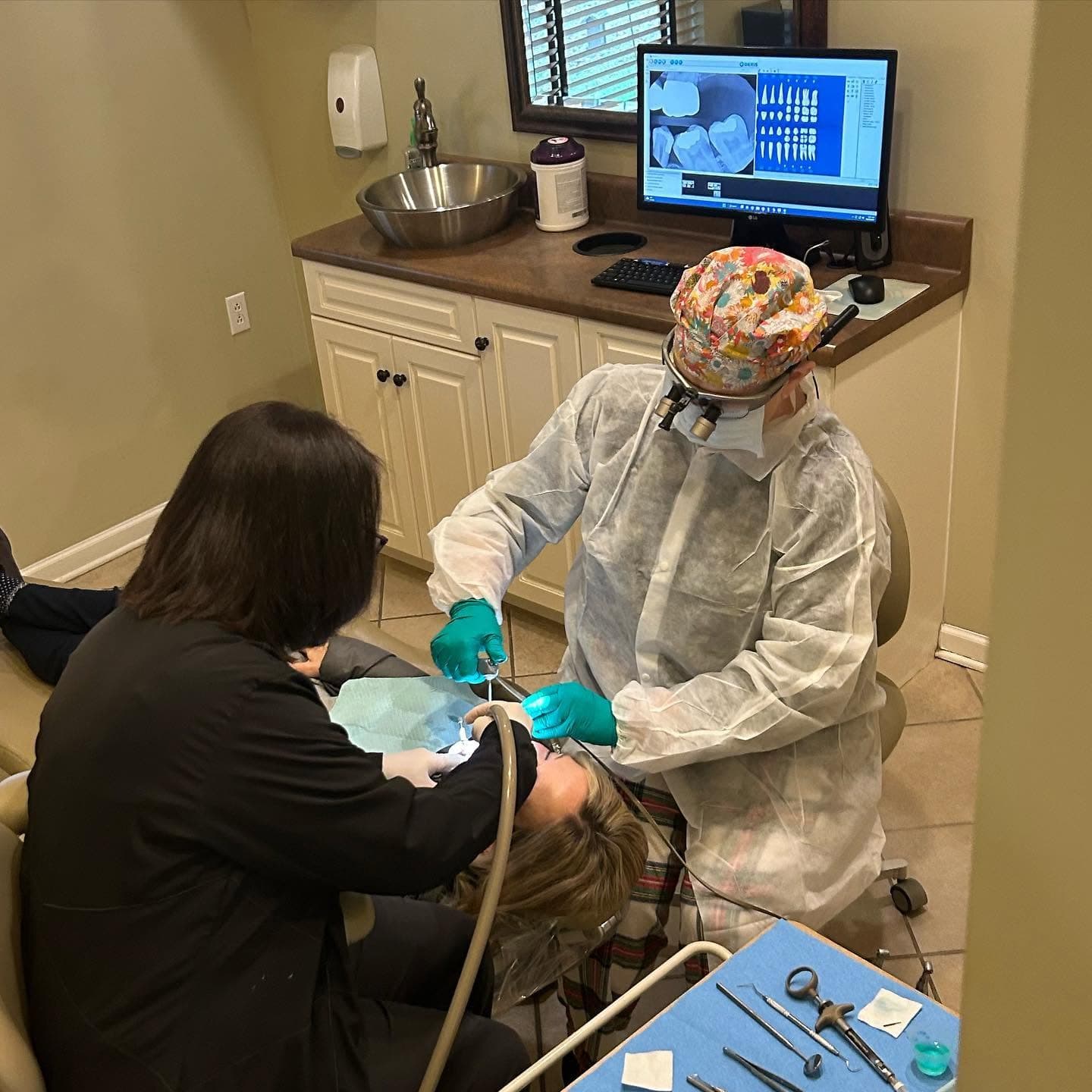
A knocked-out permanent tooth
This is the one true race against the clock in dentistry. A permanent tooth that is back in its socket quickly has a real chance of surviving; one that has been dry for hours usually does not.
Pick it up by the crown
Handle the white chewing part, not the root. The cells on the root surface are what allow the tooth to reattach, and wiping or scrubbing them off is the most common way a savable tooth is lost.
Rinse it only if it is dirty, and only briefly
Use milk, saline or the patient's own saliva. Do not scrub it, do not use soap, and do not leave it under a running tap.
Put it back in the socket if you can
For an adult who is fully conscious, gently pushing the tooth back into its socket and biting softly on a clean cloth to hold it is the best possible transport. If that is not possible, move to the next step.
Otherwise keep it in milk
Milk is the best widely available storage medium. Saliva works: the patient can hold the tooth inside the cheek if they are old enough not to swallow it. Water is the one thing to avoid, because it damages the root cells quickly.
Get to a dentist inside an hour if you possibly can
Telephone on the way so the practice can be ready for you rather than finding out when you walk in.
Baby teeth are the exception
Other emergencies, and what each one needs
A cracked or broken tooth
Rinse gently with warm water, hold a cold compress against the outside of the face to limit swelling, and keep any pieces. Avoid chewing on that side. How urgent it is depends less on the size of the break than on whether the inner pulp is exposed, which is why pain on air or cold is worth mentioning when you call.
A lost filling or crown
Keep the piece and bring it with you. Avoid chewing on that side, and keep the area clean. A crown that has come off cleanly can often be recemented. Temporary dental cement from a pharmacy can protect the tooth for a day or two, but it is a stopgap and not a repair.
Severe toothache
Pain that keeps you awake, throbs, or lingers after heat or cold is usually a sign the nerve is inflamed or infected. Over-the-counter pain relief taken as directed can hold you until you are seen. Do not put aspirin directly against the gum, which burns the tissue rather than helping.
Swelling in the gum or face
Swelling suggests infection, and infection in the mouth can spread. This is the symptom on this page most worth acting on quickly, even when the pain itself is manageable.
Something stuck between teeth
Try dental floss gently. Do not use a pin, a knife or anything metal, which is a reliable way of turning a small problem into a bigger one.
When it is a hospital rather than a dentist
Most dental problems are better handled by a dentist, because a hospital can usually manage the pain without treating the cause. These are the exceptions, and they are genuine emergencies:
- A suspected broken or dislocated jaw
- Bleeding that will not stop with fifteen minutes of firm pressure
- Facial swelling that is affecting your breathing or your swallowing
- Swelling around the eye, or spreading down the neck
- A significant head injury alongside the dental injury
What happens when you call us
We keep room in the schedule for urgent problems, so call the office on the number below rather than sending a message through the website. The telephone reaches us straight away; a form waits until somebody opens it.
Tell whoever answers what happened, when it happened, and whether there is swelling. Those three things are what decide how quickly you need to be seen, and they let us have the right room and the right instruments ready before you arrive.
If a crown, a bridge or a denture is involved, bring every piece with you. Our dental laboratory is in this building rather than at the other end of a courier route, which means repairs that would otherwise be posted away and waited on can often be dealt with far sooner.
If you are driving in from out of town
We see emergency patients from across North Mississippi, including Baldwyn, Corinth, New Albany, Ripley, Fulton and Tupelo. Tell the front desk how far you are coming when you call, because it changes what we try to get done in a single visit.
Written and reviewed by Dr. Ken Goodwin, DMD, who has practised dentistry in Booneville since 1982. This article is general information, not a diagnosis or a treatment plan for your particular situation. For advice about your own teeth, call the practice on (662) 728-8171.