Comparisons
Full dentures or implant-supported dentures: which one fits your life?
Both replace a full arch of teeth, and they suit different people for reasons that have little to do with which is better. Here is the comparison, set out plainly.
By Dr. Ken Goodwin, DMD8 min read
The short answer
A conventional full denture rests on the gum and is held largely by suction and the shape of the ridge beneath it. An implant-supported denture clips onto a small number of implants placed in the jaw, so it is held mechanically and does not move in the same way. The implant-supported option is more stable, allows a wider range of foods, and helps slow the bone loss that continues under a conventional denture, but it costs considerably more and takes months rather than weeks because the implants must fuse with the bone first. A conventional denture is quicker, far less expensive, and needs no surgery.
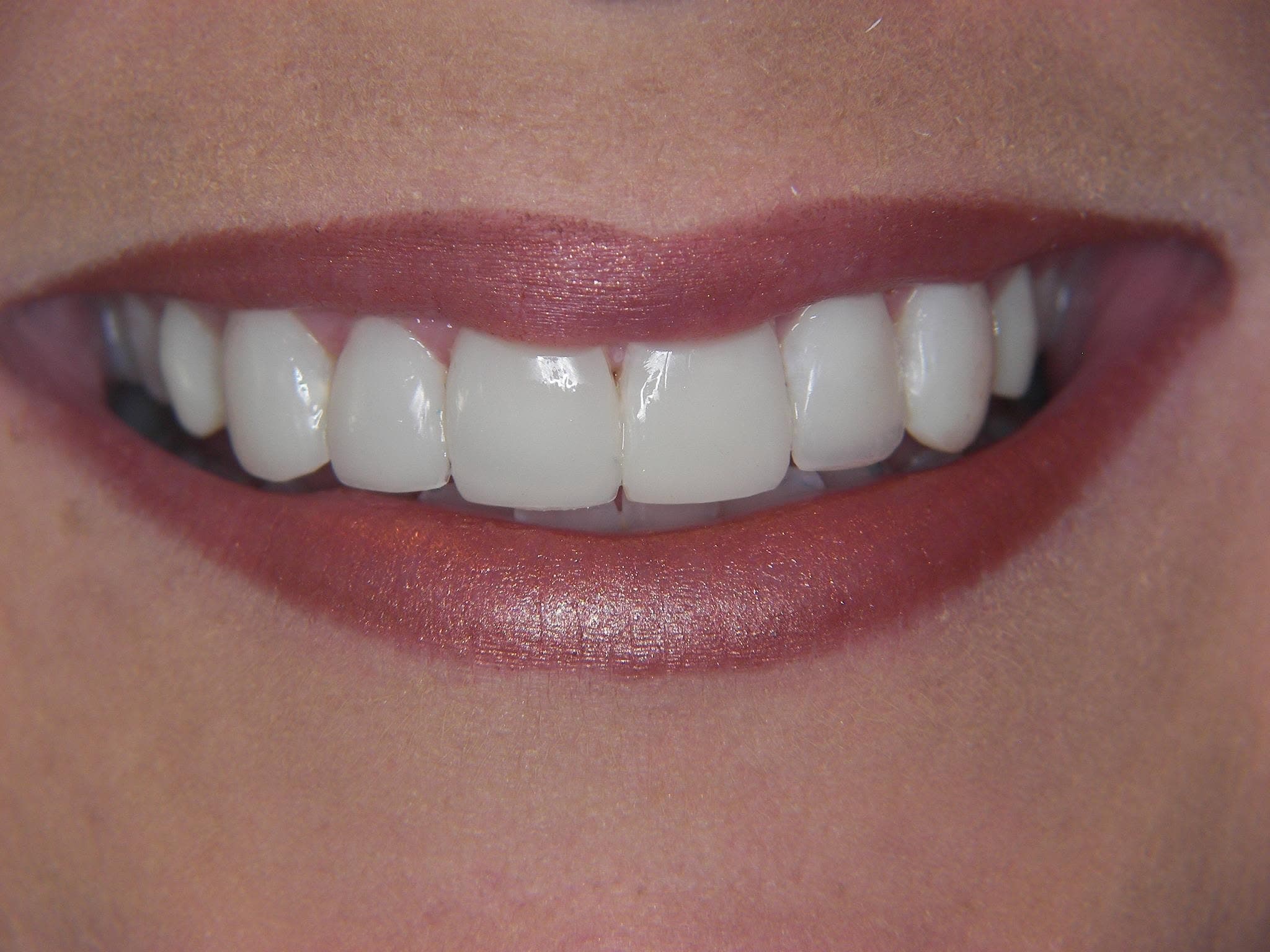
The comparison, side by side
Neither column is the right answer on its own. Which trade-offs matter is the whole question.
| Conventional full denture | Implant-supported denture | |
|---|---|---|
| How it is held | Suction and ridge shape, sometimes adhesive | Clips onto implants placed in the jaw |
| Movement when eating | Can move, particularly the lower one | Held firmly, very little movement |
| Effect on jawbone | Bone continues to shrink underneath | Implants load the bone and help slow loss |
| Time to complete | Weeks | Months, because implants must fuse first |
| Surgery required | None | Yes, to place the implants |
| Relative cost | Considerably lower | Considerably higher |
| Ongoing maintenance | Relines as the ridge changes shape | Cleaning around implants, occasional clip replacement |
The part nobody mentions until later: bone
When teeth come out, the bone that held them begins to shrink, because it is no longer being loaded by chewing. This carries on for years. It is why a denture that fitted beautifully at first gradually loosens, and why an older denture often looks too big for the face around it.
A conventional denture sits on top of that process without changing it. Implants, because they transmit chewing forces into the bone, help slow it. This is the strongest clinical argument for the implant-supported route, and it is also the argument that matters most for people who are deciding in their fifties or sixties rather than their eighties.
It also means the question is partly about timing. The longer you wear a conventional denture, the less bone there may be later if you change your mind and want implants.
Which tends to suit whom
Generalisations with obvious exceptions, but they are the patterns we see.
A conventional denture often suits
People who want the problem solved in weeks rather than months, who would rather not have surgery, for whom cost is the deciding factor, or whose general health makes implant surgery inadvisable. An upper denture in particular is usually far more stable than people expect, because the palate provides suction.
An implant-supported denture often suits
People whose lower denture will not stay put, which is the single most common complaint in all of denture wearing; people who have found they are avoiding foods they want to eat; and people making the decision early enough that bone preservation is genuinely in play.
Neither may be right yet
If you still have several sound natural teeth, keeping them is generally worth more than any replacement. A partial denture or a bridge may be the better answer, and we would rather say so than move you to a full arch prematurely.
What the adjustment period is actually like
Both options need an adjustment period, and both involve sore spots in the early days. That is normal and it is fixed with small adjustments rather than by waiting it out: a denture that rubs needs seeing, not enduring.
Speaking and eating both take practice. Most people are through the worst of it within a few weeks. Starting with softer foods and cutting things smaller is standard advice and it works.
Because our dental laboratory is in the building, those early adjustments are usually a short visit rather than another wait. For people driving in from Corinth, Ripley or Fulton, that tends to matter more than anything else on this page.
What it costs, and how to find out
An implant-supported denture costs considerably more than a conventional one, because you are paying for the implants, the surgery to place them and the denture itself. How much more depends on how many implants are used, whether bone grafting is needed, and which system is chosen.
Rather than quote a figure that may not apply to you, we would rather examine you and give you a written estimate that itemises each part. If cost is the deciding factor, say so early: it changes what is worth discussing, and there is no sense planning treatment you do not want to pay for.
Questions to ask before you decide
- How much bone do I have, and does that rule anything in or out?
- If I choose a conventional denture now, does that limit my options later?
- How many implants would my case need, and why that number?
- How many appointments, and over how long?
- What does maintenance look like in five years for each option?
- Where is the denture made, and how quickly can it be adjusted or repaired?
Written and reviewed by Dr. Ken Goodwin, DMD, who has practised dentistry in Booneville since 1982. This article is general information, not a diagnosis or a treatment plan for your particular situation. For advice about your own teeth, call the practice on (662) 728-8171.